
Our Blog
Insights, Ideas and Digital Trends
Written by the people who build the systems, not by a content schedule. Working notes on web development, mobile applications, AI automation, cloud and server management, and digital marketing, from projects where these decisions actually had to be made.
Latest Blog Articles
Stay updated with expert insights, how-to guides, industry trends and technology news.
-
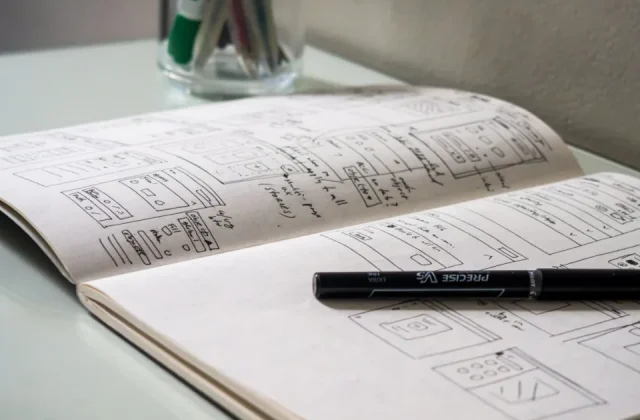
Content Modelling: Why Page Structure Decides Site Flexibility
Modelling content as types rather than pages is what decides whether a site can absorb its fifth structural change without a redesign. The article covers blocks versus fields, one-to-many and many-to-many relationships, why URLs should not mirror taxonomies, and how workflow states belong inside the model. Olivia Bennett
Read More
Olivia Bennett
Read More
-

Designing Forms That People Actually Complete
Form abandonment usually starts with a field nobody needed, not with the visual design. This piece works through deciding what a form is actually for, cutting the fields that fail that test, using labels that survive a mobile keyboard, choosing when to validate, and writing error messages that tell the reader what to… Amelia Brooks
Read More
Amelia Brooks
Read More
-
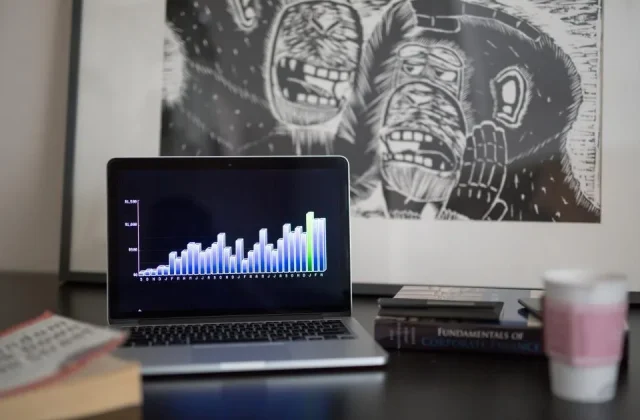
What Core Web Vitals Mean for a Site You Own
Core Web Vitals are three separate failure detectors with three different owners, not one score. Where LCP, CLS and INP actually break, why lab figures flatter you, which trade-offs every improvement costs, and what to check before spending money on any of it. Emily Carter
Read More
Emily Carter
Read More
-

Planning a Website Migration Without Losing Search Visibility
Most migration failures are redirection failures discovered too late. Establishing which of four migrations you are running, building the inventory from logs and analytics, filling every row of the URL mapping, and putting redirects in infrastructure rather than in a plugin. Olivia Bennett
Read More
-

How Website Accessibility Requirements Affect Development Choices
Accessibility is decided in the component library and the heading outline, not in an audit at the end. How semantics beat ARIA, why focus management breaks in single-page applications, where colour choices get stuck, what automated checks miss, and what to write into an agreement. Emily Carter
Read More
-

Static Sites vs Dynamic Sites: Choosing by Maintenance Cost
Static versus dynamic is usually argued as a technology preference, when the useful question is recurring maintenance cost. Where the money actually goes, why a CMS costs more than its licence, when dynamic genuinely wins, and a cost model you can run yourself before committing. Emily Carter
Read More
-

What a Technical SEO Audit Actually Covers
A technical audit should be a diagnosis, not a list of four hundred rows. That means covering architecture and template inventory, indexation classification, rendered versus source content, structured data, log files, performance causes, and finally sorting findings into a queue somebody can act on. Olivia Bennett
Read More
-

Choosing a Web Development Company: Questions That Reveal Fit
Proposals from different agencies read almost identically, so the questions you ask in the meeting tell you more than the document does. Who writes the code, what went wrong last time, who absorbs the risk in a fixed price, and who owns the repository at the end. Including the answers that should end a conversation. Isla Fraser
Read More
Isla Fraser
Read More
-

Accessible Web Design: What It Means in Practice
Accessibility is a set of concrete engineering decisions, not a plugin. Here are the ones that matter most. Emily Carter
Read More
-

How to Choose Between a Website Rebuild and a Website Redesign
A rebuild and a redesign look similar on paper but cost very different amounts of time. Here is how to work out which one your site actually needs, and which questions to answer before you commit. Emily Carter
Read More
About the Insights archive
Who writes here, what the articles are based on, and how to reach us about any of them.
Each one carries an individual byline and a short editorial profile, so you can see who wrote it and what they cover before you read it. The profiles are editorial identities maintained for this publication rather than personal pages, and the article itself always names its writer at the foot of the page.
Regularly, and on no fixed schedule. The articles here are written because there is a question worth answering rather than to fill a calendar, which means the gaps are as variable as the subjects.
Not without asking. These are written for SmartEdge IT Solutions and are protected, so if you want to quote one, link to it, or reuse it in a briefing, get in touch first and we will almost always say yes to a link.
They are composites drawn from the kinds of problems we are asked about, written so they are useful rather than flattering. Where an article describes a specific decision, the reasoning is the reasoning we would give you. Nothing here claims a client, a result or a figure that we cannot show evidence for.
Only to explain a decision not to use it. The technology and innovation page sets out what is in the stack here and what each platform is actually used for.
Often, yes. Send the question through the contact form and it will be treated as a candidate for the archive rather than a support ticket, if it is a question other people are also asking.
There is not one set up yet, and we would rather not describe a mailing list that does not exist. If you want to follow the archive, the contact page is the place to say so; if enough people ask, it becomes a reasonable thing to build.
Of course. Take whatever is useful, and if you then want it built, the services overview explains the shapes of work we take on.
STAY UP TO DATE
Need Guidance on Your Next Digital Step?
Most of the questions that lead someone here are not really about technology. They are about whether a project is worth doing, what it will cost, and what it will demand of the team afterwards. Bring the situation rather than a brief. We will tell you what we would do, what we would deliberately not do, and roughly what it takes.